For years, hotel marketing has focused on driving traffic, generating clicks, and optimizing campaigns. In 2026, however, the hotels that truly grow have embraced a different reality: the guest experience is the most powerful and profitable marketing channel available. It can’t be bought, it isn’t paid media, and it doesn’t depend on algorithms.
EIO (Experience Impact Optimization) is built on a simple but powerful idea: every guest interaction—before, during, and after the stay—can be transformed into visibility, trust, repeat business, and future bookings. When the experience is coherent and memorable, guests do what no campaign can replicate: they review, share, recommend, and return.
For boutique, urban, and experience-driven hotels, EIO isn’t a trend. It’s a sustainable competitive advantage against OTAs, large chains, and saturated markets.
The new reality: why experience matters more than advertising
Today’s travelers:
- Trust reviews more than ads
- Seek real experiences, not promises
- Compare hotels by perception, not just price
- Expect consistency between what they see and what they experience
In this environment, investing only in marketing without strengthening experience creates friction. Guests arrive with high expectations and leave with nothing worth sharing. EIO reverses this by aligning marketing, operations, and experience so each reinforces the booking decision.
What EIO is and how it differs from traditional marketing
Traditional marketing focuses on visibility.
EIO focuses on real impact on guest perception and behavior.
EIO means:
- Intentionally designing experiences
- Measuring their impact on reviews, content, and repeat stays
- Optimizing what truly influences future guests
It’s not about “being nice” or “providing good service.” It’s about turning experience into a measurable, scalable asset.
How experience becomes marketing
A strong guest experience generates three powerful outcomes:
Reviews that sell on your behalf
Google, Booking, and TripAdvisor are now the first decision filters.
Hotels with better reviews:
- Rank higher
- Convert more
- Justify premium pricing
Reviews are not passive reputation—they are active conversion drivers.
User-generated content (UGC)
Real photos, videos, stories, and mentions:
- Are more credible than any ad
- Feed social media and Google visibility
- Reinforce brand authenticity
Guests become spontaneous content creators.
Repeat stays and referrals
A satisfied guest:
- Comes back
- Recommends the hotel
- Lowers future acquisition costs
Experience directly impacts LTV—not just brand image.
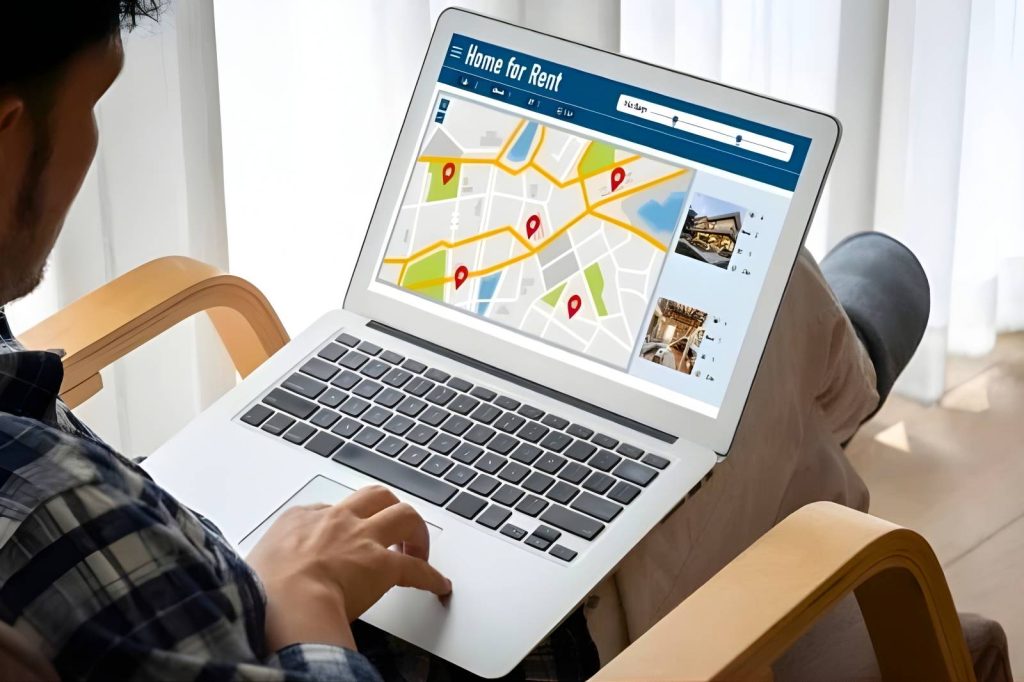
Connecting on-property experience with the digital ecosystem
EIO works only when experience extends beyond operations.
Key connections include:
- Strategic review requests
- Making shareable moments easy
- Post-stay follow-up
- Integration with CRM and marketing systems
The experience must continue after check-out.
Experience KPIs that actually matter
Not all metrics are created equal. Advanced hotels track:
- Average rating by platform
- Review volume and frequency
- Repeated keywords in reviews
- Reviews per stay ratio
- Guest-generated content volume
- Repeat guest rate
- LTV by guest segment
These KPIs link experience directly to business results.
Practical example: experience versus ad spend
Two comparable hotels:
- Hotel A spends more on ads, delivers average experience
- Hotel B invests in experience, spends less on advertising
Typical outcome:
- Hotel B earns higher ratings
- Converts traffic more effectively
- Pays less per acquisition
- Achieves stronger repeat business
EIO reduces the need for constant ad investment.
Common mistakes when trying to “sell experience”
- Promising more than what’s delivered
- Ignoring real guest feedback
- Failing to address negative reviews
- Skipping post-stay engagement
- Treating experience as “soft,” not strategic
Poorly managed experience becomes counter-marketing.
How to implement EIO step by step
Operational checklist:
- Map the complete guest journey
- Identify high-impact moments
- Design intentional experiences
- Encourage reviews and UGC
- Track experience KPIs
- Connect data with marketing
- Continuously optimize
The role of leadership in EIO
EIO fails when it’s delegated solely to operations or marketing.
Leadership must:
- Prioritize experience as strategy
- Align teams
- Measure real impact
- Make decisions based on feedback
When management leads EIO, experience stops being subjective.
How Digisap integrates EIO into hotel strategies
At Digisap, we treat EIO as a growth driver:
- Experience and reputation analysis
- Connecting reviews with SEO and conversion
- Designing post-stay workflows
- Experience + business dashboards
The goal is not just great experiences—but profitable, scalable ones.
In 2026, standout hotels aren’t those that promise the most, but those that deliver consistently and amplify that experience effectively. Turning guest experience into your primary marketing channel is one of the smartest ways to grow with less dependence on intermediaries and greater demand control.
Schedule a personalized consultation with Digisap