The same inventory can generate multiple revenue streams
A boutique hotel in Medellín, Cartagena, Mexico City or Miami has a limited number of rooms. The physical inventory does not change.
What can change is how it is positioned and sold.
Microsegmentation allows you to package different experiences around the same room inventory, increasing:
- Average daily rate (ADR)
- Mid-season occupancy
- Segment profitability
- Perceived value
This is not about creating new room types. It is about designing experience-based offers aligned with a structured direct booking strategy.
From standard rooms to differentiated value propositions
A common mistake is selling all rooms with the same generic message:
“Comfortable rooms in a prime location.”
That is not segmentation. That is undifferentiated communication.
Microsegmentation means identifying specific guest profiles and designing packages, pricing and messaging tailored to each one.
Segment 1: couples and romantic escapes
In destinations like Cartagena or premium neighborhoods in Medellín, the couples segment can be highly profitable.
Potential package elements:
- Special room decoration
- Private dinner
- Late checkout
- Complementary experience
The communication should emphasize:
- Exclusivity
- Privacy
- Emotional connection
Pricing competes on perceived value, not base rate.
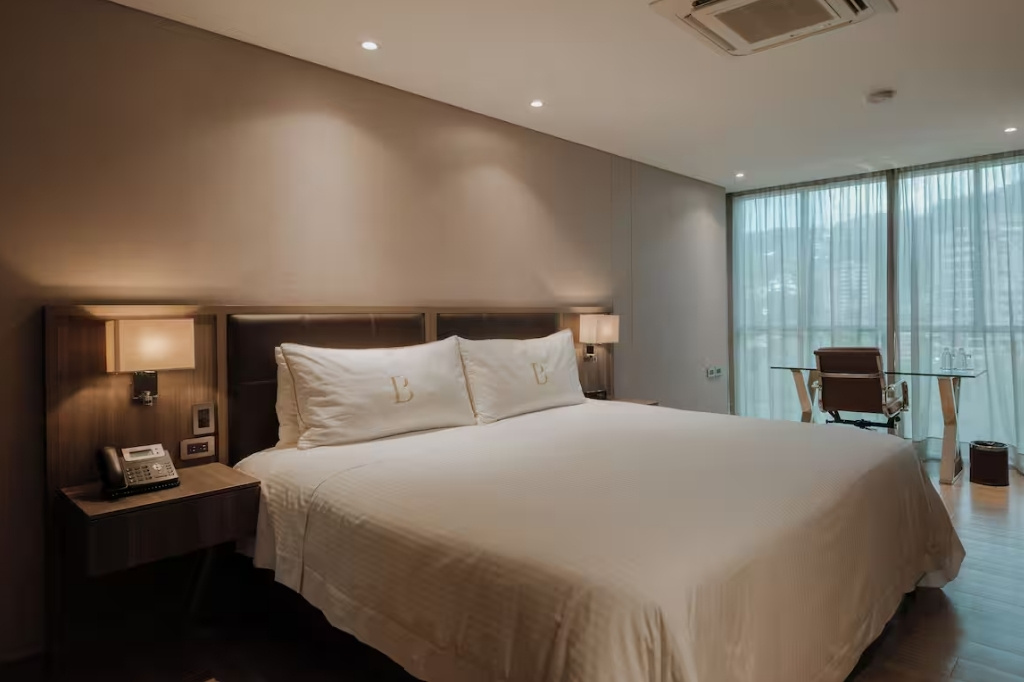
Segment 2: digital nomads and extended stays
In cities like Medellín or Mexico City, medium- and long-term stays have grown significantly.
Strategic offer:
- Weekly or monthly rates
- Comfortable workspaces
- Added benefits (coffee access, nearby coworking)
Here the focus is functionality and productivity.
Content positioning should also support organic visibility, integrating a boutique hotel SEO strategy that captures searches related to remote work and extended stays.
Segment 3: corporate and frequent business travelers
In Bogotá or Mexico City, corporate travel can represent a significant revenue share.
Package elements may include:
- Fast check-in
- Early breakfast
- Meeting-friendly spaces
- Simplified invoicing
Messaging should focus on efficiency, strategic location and productivity.
Segment 4: small groups and celebrations
Small groups, birthdays or private gatherings can activate occupancy on targeted weekends.
Microsegmentation enables:
- Block pricing incentives
- Shared experience packages
- Added value based on number of rooms
This is not about discounting. It is about structured value creation.
Segment 5: boutique weddings and intimate events
Many boutique hotels have the potential to attract micro-weddings or intimate celebrations.
Strategic offer:
- Exclusive use of selected spaces
- Personalized experience
- Integration with local vendors
This segment can generate high event revenue and elevate brand positioning.
Strategic pricing: avoid internal cannibalization
Microsegmentation must protect margin.
Recommendations:
- Do not reduce base rates indiscriminately
- Build added value instead of discounts
- Differentiate benefits by segment
- Control inventory allocation per package
Each segment should generate incremental profitability, not replace higher-margin bookings.
Differentiated communication by channel
Microsegmentation fails if messaging remains identical across channels.
Communication must adapt to:
- SEO
- Social media
- Paid campaigns
- Email marketing
- Booking engine
One hotel can communicate five different narratives while maintaining a consistent core identity.
If your hotel wants to structure microsegmentation with a clear focus on occupancy and profitability, explore our strategic approach at Digisap.
Key metrics to monitor by segment
- ADR per segment
- Occupancy by package
- ROAS by campaign
- Incremental margin
- Repeat booking rate
Segmentation without measurement becomes guesswork.
Common mistakes when applying microsegmentation
- Creating packages without pricing strategy
- Failing to differentiate messaging by audience
- Not controlling allocated inventory
- Ignoring profitability analysis per segment
- Launching too many simultaneous offers
Strategic clarity and focus are essential.
When segmentation transforms inventory into a growth strategy
Physical inventory is fixed. Strategic creativity is not.
Microsegmentation allows you to:
- Increase average daily rate
- Activate mid-season demand
- Reduce discount dependency
- Strengthen perceived value
A boutique hotel that segments strategically does not compete on price. It competes on differentiated experience.
If you are ready to design a microsegmentation strategy that increases revenue without expanding inventory.
Schedule a personalized consultation.