The challenge: empty weekday tables despite strong reputation
A restaurant located in a business district in Medellín faced a common LatAm issue:
- High weekend occupancy
- Stable dinner traffic
- Weak corporate lunch demand between Tuesday and Thursday
Despite strong Google ratings and presence on aggregators, the corporate segment was underperforming.
The objective was clear: fill corporate lunch tables without relying on aggressive discounts.
Initial diagnosis: traffic existed, but intent was misaligned
The audit revealed:
- Solid general organic traffic
- Low capture of corporate-intent searches
- Generic paid campaigns
- No segmentation by schedule or business intent
There was no structured local SEO strategy for restaurants targeting terms such as:
- “Executive lunch in [area]”
- “Restaurant for business meetings”
- “Corporate lunch menu near offices”
Traffic was not aligned with the restaurant’s revenue priority.
The strategy: capture active intent with Google Ads
The campaign was structured across three strategic layers:
1. Search intent segmentation
Dedicated ad groups were created for:
- Executive lunch
- Business meetings
- Corporate menus
- Team gathering spaces
Irrelevant keywords were excluded to prevent budget waste.
2. Precise geolocation targeting
Campaigns were limited to:
- A radius around key business districts
- Working hours
- Mobile devices
The goal was to reach decision-makers actively searching during office hours.
3. Conversion-focused landing page
A dedicated landing page was developed featuring:
- Clear corporate value proposition
- Visible executive menu
- Business-friendly benefits
- Quick form submission
- Direct WhatsApp contact
Conversion principles were aligned with those outlined in this guide on high-converting corporate event landing pages.
Traffic was not directed to the homepage. It was directed to a focused offer.
Results after 90 days
After three months of structured optimization:
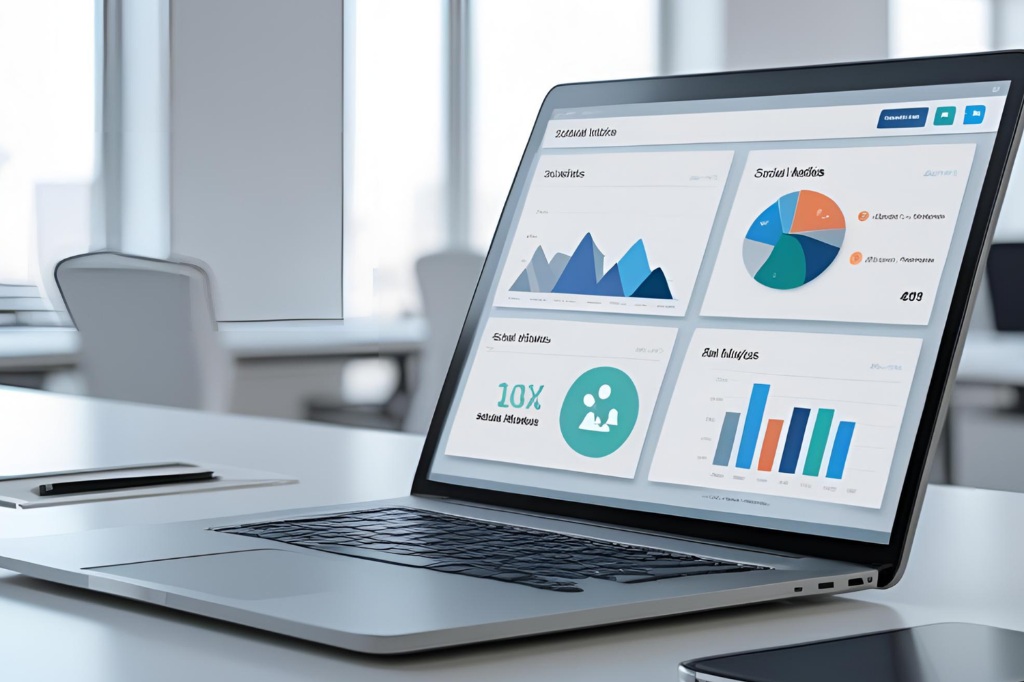
- +38% increase in weekday lunch reservations
- 27% increase in average corporate ticket
- ROAS above 5X
- 18% reduction in aggregator dependency during business hours
The restaurant did not significantly increase its budget.
They optimized segmentation and intent.
Key factors behind campaign success
Focus on a profitable segment
The strategy did not try to attract everyone.
It concentrated on a high-value business segment.
Messaging aligned with corporate needs
Communication emphasized:
- Speed
- Strategic location
- Business-friendly environment
- Corporate billing
It did not focus on romantic ambiance or nightlife.
Weekly data-driven optimization
The team monitored:
- CTR
- Cost per conversion
- Actual search terms
- High-converting time slots
Adjustments were made weekly based on performance data.
Lessons applicable to other restaurants in LatAm
This case demonstrates that:
- Not all empty tables require discounts
- Search intent is more powerful than broad reach
- Geo-segmentation reduces wasted budget
- Dedicated landing pages outperform generic homepages
Many restaurants have hidden opportunities in underutilized time slots.
KPIs to monitor in similar campaigns
- Cost per reservation
- ROAS
- Average ticket by segment
- Landing page conversion rate
- Time-slot occupancy
Without clear measurement, optimization is impossible.
If your restaurant wants to structure SEM campaigns focused on profitable segments and measurable performance, explore our strategic approach at Digisap.
From empty tables to fully booked corporate lunches
In 90 days, the restaurant shifted from generic traffic to activating a high-margin corporate segment.
The transformation was not accidental. It was strategic:
- Precise segmentation
- Aligned messaging
- Optimized landing page
- Continuous measurement
When properly structured, Google Ads becomes a direct revenue management tool for restaurants.
If you are ready to activate your corporate lunch segment before the next quarter, take the next step: Schedule a personalized consultation