High season is prepared in advance, not with last-minute discounts
Boutique hotels in Medellín, Cartagena, Bogotá, Mexico City or Miami often experience strong occupancy during high season. The issue is that it frequently comes with:
- High OTA dependency
- Commission pressure
- Limited margin control
If your goal is to increase direct bookings before the next high season, the work must begin at least 90 days in advance.
This roadmap structures the process into three strategic phases: foundation, visibility and conversion.
Phase 1 (days 1–30): strengthen the digital foundation
Without a solid base, additional investment is wasted.
1. Conduct a full website audit
Evaluate:
- Page speed
- Mobile performance
- Clarity of value proposition
- Differentiation versus OTAs
- Friction in the booking process
A slow or confusing website can reduce potential conversion by up to 30%.
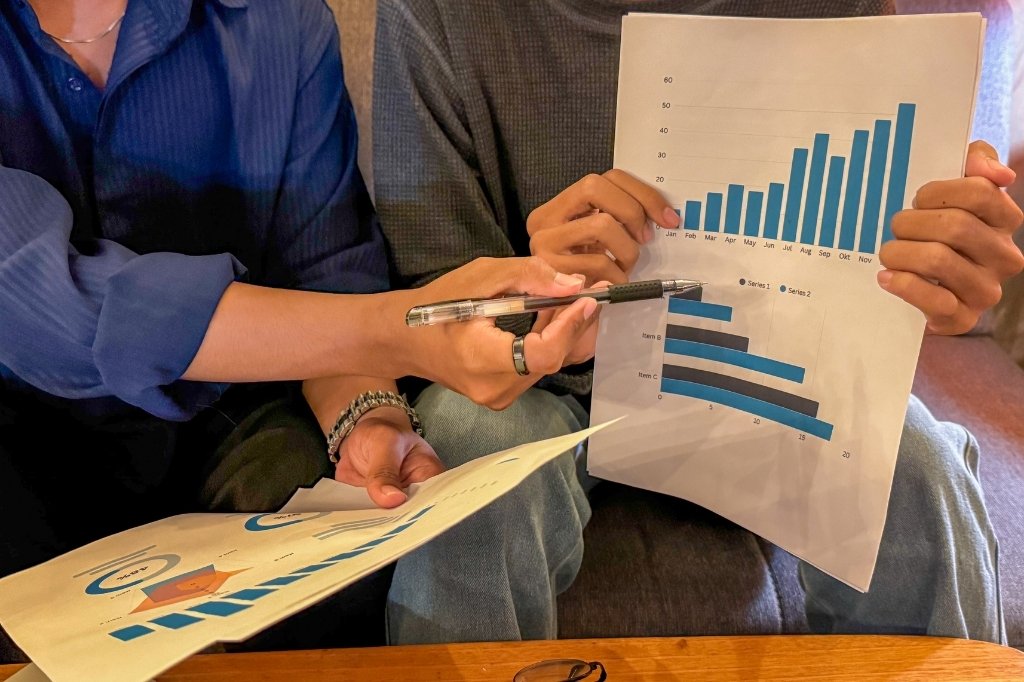
2. Implement proper tracking and performance measurement
Before increasing ad spend, the hotel must clearly understand:
- Conversion by channel
- Cost per booking
- Real ROAS
- Traffic source attribution
It is essential to understand how to properly measure hotel ROAS, because many poor decisions stem from misinterpreted metrics.
3. Reinforce direct booking benefits
Key questions:
- Does the guest have a clear incentive to book direct?
- Is that benefit visible on the website?
- Is it clearly displayed within the booking engine?
Strengthening the direct value proposition is the first step toward reducing intermediary dependency.
Phase 2 (days 31–60): increase qualified visibility
Once the foundation is solid, the next step is to generate high-intent demand.
1. Activate SEO aligned with booking intent
Optimize content for searches such as:
- “Boutique hotel in [city]”
- “Where to stay in [specific area]”
- “Romantic hotel in [destination]”
This should integrate into a structured boutique hotel SEO strategy that captures high-intent traffic before high season begins.
2. Optimize SEM campaigns to capture active demand
During this phase:
- Refine transactional keywords
- Activate branded campaigns
- Implement remarketing
- Adjust budget allocation based on ROAS
The objective is not clicks. It is profitable direct bookings.
3. Strengthen GEO and local visibility
Geolocation plays a key role in booking decisions.
Actions include:
- Optimizing Google Business Profile
- Creating location-specific content
- Running geo-targeted campaigns
In tourist destinations, local search visibility directly impacts conversion.
Phase 3 (days 61–90): maximize conversion and internal alignment
In the final stretch before high season, the focus shifts to closing more efficiently.
1. Optimize booking engine UX
Review:
- Rate clarity
- Visible direct booking benefits
- Simplified steps
- A/B testing opportunities
Small improvements can increase conversion by 5%–15%.
2. Train commercial and front desk teams
Your team must:
- Understand direct booking benefits
- Communicate advantages versus OTAs
- Encourage repeat bookings
Direct booking growth is not only digital. It is cultural.
3. Activate automation for repeat guests
Before high season, it is strategic to:
- Reactivate previous guests
- Send exclusive direct offers
- Implement abandoned booking recovery
A returning guest converts more easily than a new one.
Key performance indicators to improve within 90 days
By the end of the quarter, the hotel should see measurable improvement in:
- Direct booking percentage
- Channel-specific ROAS
- Website conversion rate
- Reduced OTA dependency
- Cost per acquisition
Without defined KPIs, there is no real control.
Common mistakes that delay impact before high season
- Investing in ads without optimizing the website
- Failing to measure true performance
- Activating SEO too late
- Disconnecting marketing from revenue management
- Assuming high season will “sell itself”
Preparation determines profitability.
Moving from reactive tactics to strategic planning
A 90-day action plan allows you to:
- Prepare the direct channel
- Optimize investment
- Reduce commission pressure
- Improve margins during peak demand
The hotel that prepares strategically before demand peaks maximizes profitability when the market activates.
If your hotel wants to structure this roadmap with a clear methodology and measurable results, explore our strategic approach at Digisap.
Preparing for high season is a strategic decision, not an operational one
Increasing direct bookings before the next high season does not depend on luck or aggressive discounting.
It depends on:
- A strong foundation
- Qualified visibility
- Optimized conversion
- Aligned internal teams
If you are ready to implement this 90-day plan with strategic guidance.
Schedule a personalized consultation.